
The 3 Best Gluten-Free Ramen
in Tokyo
Thought you couldn't eat Ramen in Japan? Think again.
These shops offer authentic taste with zero wheat.
Ramen is the soul food of Japan. But traditional noodles are made of wheat, and the soup is packed with soy sauce.However, Tokyo is evolving. We've selected the top 3 spots where you can slurp safely without compromising on flavor.
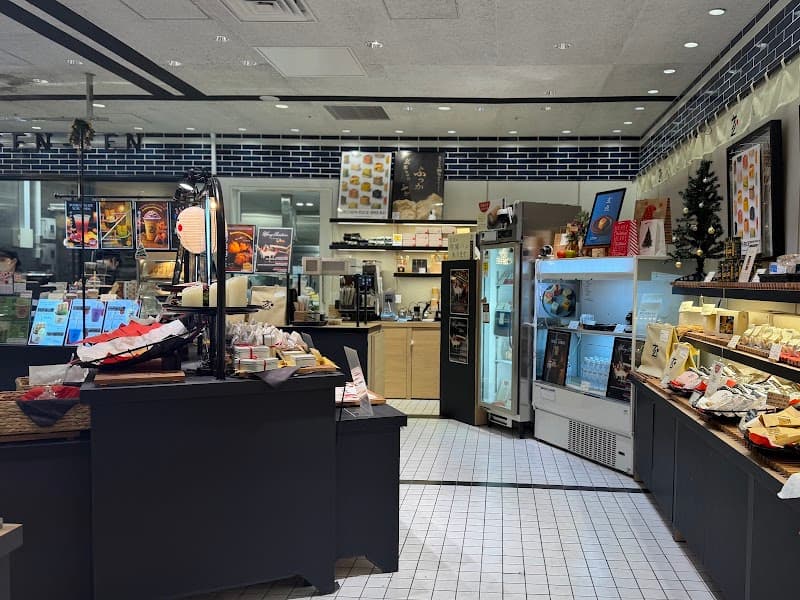
Gluten Free T's Kitchen
Roppongi, Minato-ku
The absolute gold standard — Tokyo's first dedicated gluten-free restaurant. They re-engineered ramen from scratch using rice noodles and soy-free broth. Zero compromise on flavor.
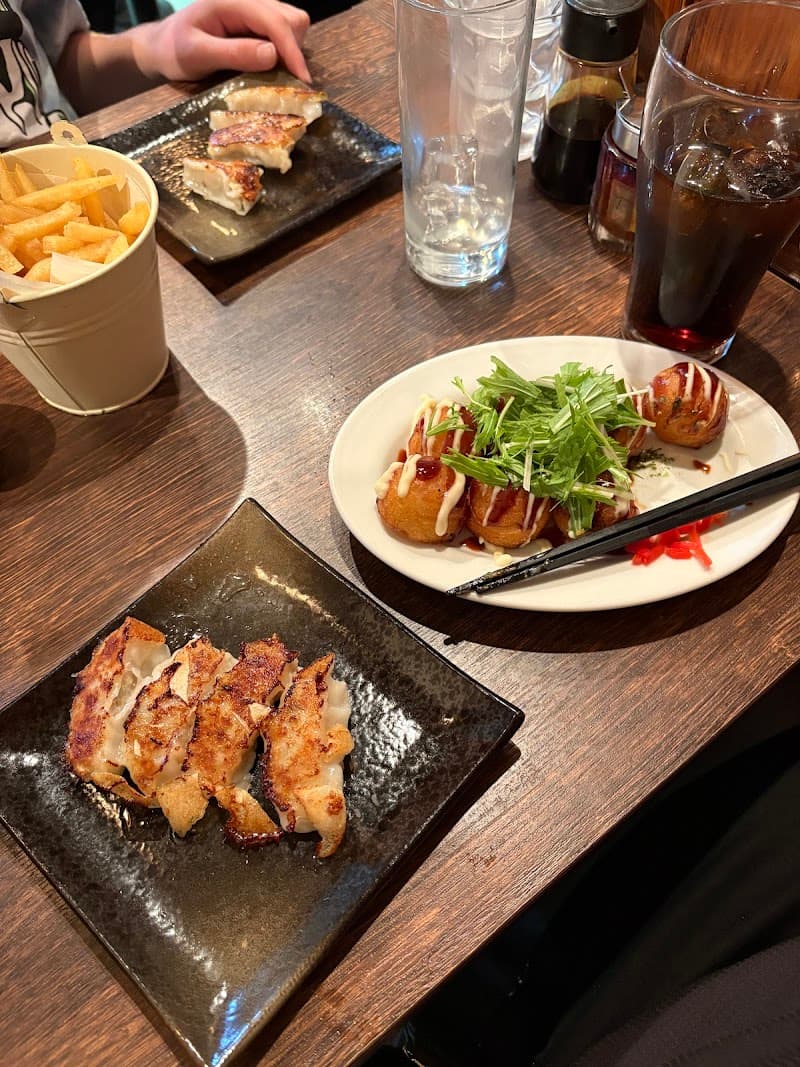
- Must Order: Shoyu Ramen & Gyoza (Dumplings)
- Safety: 100% dedicated kitchen — highest celiac safety
Soranoiro NIPPON
Tokyo Station (Ramen Street)
Right inside Tokyo Station — the most convenient spot for travelers. Vegan & Gluten-Free Ramen with brown rice noodles and a rich veggie-based broth.
Afuri
Harajuku, Roppongi & more
Famous for its refreshing Yuzu-Salt Ramen (Yuzu Shio). Swap any noodles for konjac (gluten-free) for a small surcharge. Light, citrusy, and unlike anything else.
Frequently Asked Questions
Is ramen safe for celiacs in Japan?
Standard ramen noodles are wheat-based and the soup is often seasoned with wheat-containing soy sauce, so regular ramen is not safe for celiacs. Tokyo has a small number of verified gluten-free options — this guide covers 3 restaurants: Gluten Free T's Kitchen, Soranoiro NIPPON, and Afuri.
Which Tokyo ramen restaurant is safest for celiac disease?
Gluten Free T's Kitchen in Roppongi is the safest choice on this list. It's a 100% dedicated gluten-free kitchen using rice noodles and soy-free broth, so there's no cross-contamination risk from shared equipment.
Can I get gluten-free ramen at Afuri?
Yes. Afuri lets you swap the noodles for konjac (gluten-free) for a small surcharge, most famously in their Yuzu Shio Ramen. It's a high-volume shared kitchen, so confirm with staff before ordering.
Is Soranoiro NIPPON at Tokyo Station gluten-free?
Soranoiro NIPPON serves vegan, gluten-free ramen made with brown rice noodles and a vegetable-based broth. It's a shared kitchen — noodles are cooked in separate water, but some cross-contamination risk remains, so it's best suited for non-celiac gluten sensitivity rather than diagnosed celiac disease.