
The 3 Best Gluten-Free Sushi in Tokyo
Soy sauce (Shoyu) contains wheat, and vinegar can be tricky. These restaurants understand celiac needs and offer GF soy sauce.
Finding safe sushi is harder than it looks. The fish is safe, but the sauce and vinegar often aren't. We've selected 3 spots ranging from casual to high-end that guarantee a worry-free authentic experience.
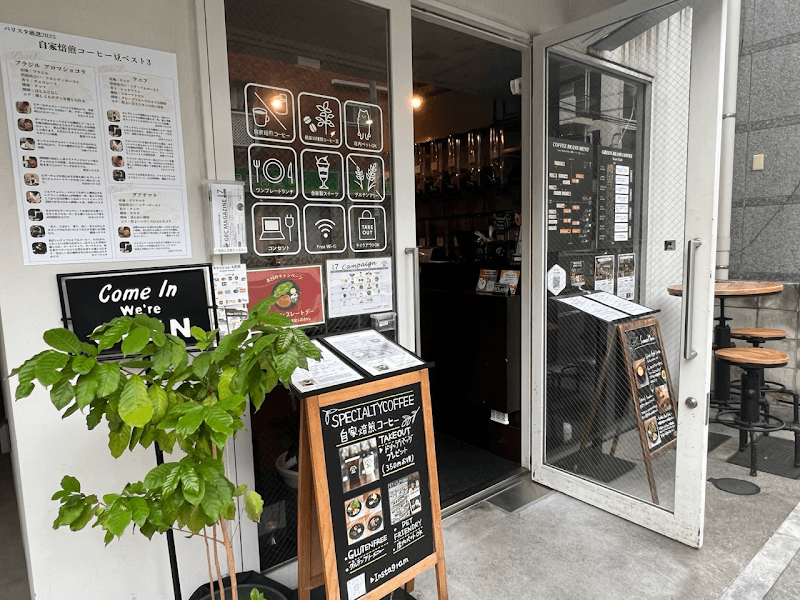
1
Gonpachi Asakusa Azumabashi
Asakusa (River Side)
- Hours
- 11:30–23:00
- Price
- ¥3,000–¥6,000 (≈ $19–$38 · €17–€34)
- Label
- GF Menu
Known globally as the "Kill Bill" restaurant chain. This location in Asakusa offers a stunning river view and a dedicated Gluten Free Menu. Staff are well-trained on cross-contamination and always provide GF soy sauce.
- Must order: Temaki (Hand rolls) & Yakitori
- Note: Shared kitchen — separate cookware used for GF items
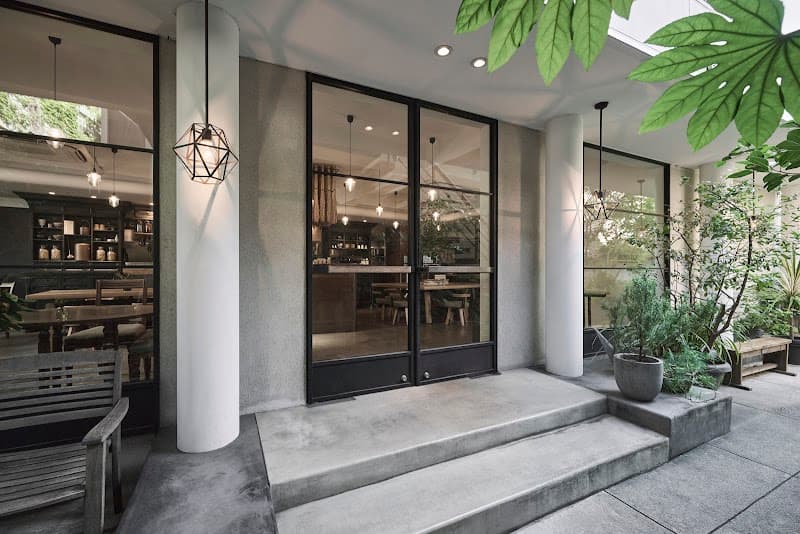
2
Otsuna Sushi
Roppongi
- Hours
- 11:00–22:00
- Price
- ¥2,000–¥4,000 (≈ $13–$25 · €11–€22)
- Label
- Tamari Available
A historic sushi spot with a modern twist. Their famous Inari Sushi (Fried Tofu Pouch) is available gluten-free. Offers a quieter, more authentic atmosphere than tourist hubs.
- Highlight: Signature vinegar rice is naturally gluten-free
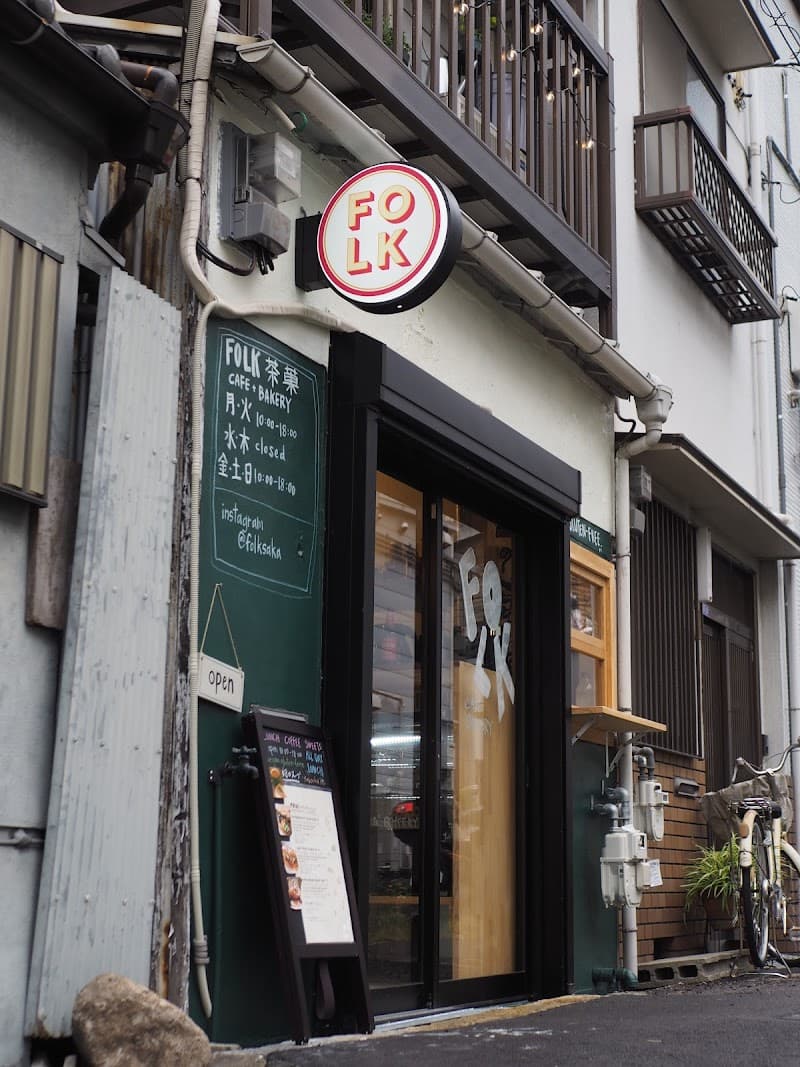
3
Tokyo Sushi Bowl
Asakusa
- Hours
- 10:00–20:00
- Price
- ¥1,500–¥3,000 (≈ $9–$19 · €8–€17)
- Label
- Tourist Friendly
Casual seafood bowl (Kaisendon) without the formality of a sushi bar. Very tourist-friendly and accommodates allergies explicitly.
Casual shared kitchen — unlike dedicated sushi counters, confirm GF handling when ordering.
Frequently Asked Questions
- Is sushi safe for celiacs in Japan?
- Sushi rice itself is naturally gluten-free, but standard Japanese soy sauce (shoyu) contains wheat. This guide covers 3 Tokyo sushi restaurants — Gonpachi Asakusa Azumabashi, Otsuna Sushi, and Tokyo Sushi Bowl — that provide tamari (gluten-free soy sauce) and cater to celiac guests.
- Which sushi restaurant in Tokyo has a dedicated gluten-free menu?
- Gonpachi Asakusa Azumabashi offers a dedicated gluten-free menu. Staff are trained on cross-contamination and use separate cookware for GF items, and GF soy sauce is provided by default.
- Is Otsuna Sushi in Roppongi gluten-free friendly?
- Yes. Otsuna Sushi offers tamari (GF soy sauce), and its signature Inari Sushi (fried tofu pouch) is available gluten-free.
- Is conveyor-belt or casual sushi safe for celiacs?
- It depends on the restaurant. Tokyo Sushi Bowl in Asakusa is a casual, tourist-friendly seafood bowl (kaisendon) spot that explicitly accommodates allergies. General kaiten-zushi (conveyor belt sushi) chains carry a higher cross-contamination risk from shared surfaces and utensils.